
iPhones are built with precision engineering, sleek glass panels, and tightly packed internal components, but that same design that makes them elegant also makes them fragile. A single slip from a hand, a fall from a countertop, or a drop onto pavement can leave lasting damage, whether it’s a shattered front screen, a cracked back panel, or something less visible going on inside. Knowing what kind of damage you’re dealing with, and what steps to take next, can make a stressful situation much easier to manage.
Why iPhones Are So Prone to Damage
Despite using some of the toughest glass available in consumer electronics, iPhones are still vulnerable to impact because glass panels cover both the front and back of most modern models. This dual-glass design, while visually appealing and necessary for features like wireless charging, means there are two surfaces that can crack instead of just one. Add to that the slim, lightweight build that makes the phone easy to carry but also easy to drop, and it becomes clear why cracked screens and shattered backs are such common complaints. If you’ve recently found yourself needing to get iPhones repair services in Chilliwack, you’re far from alone. Device damage of this kind happens to people in all walks of life, often during ordinary moments like reaching into a bag, setting the phone down too quickly, or having it slip out of a loose pocket.
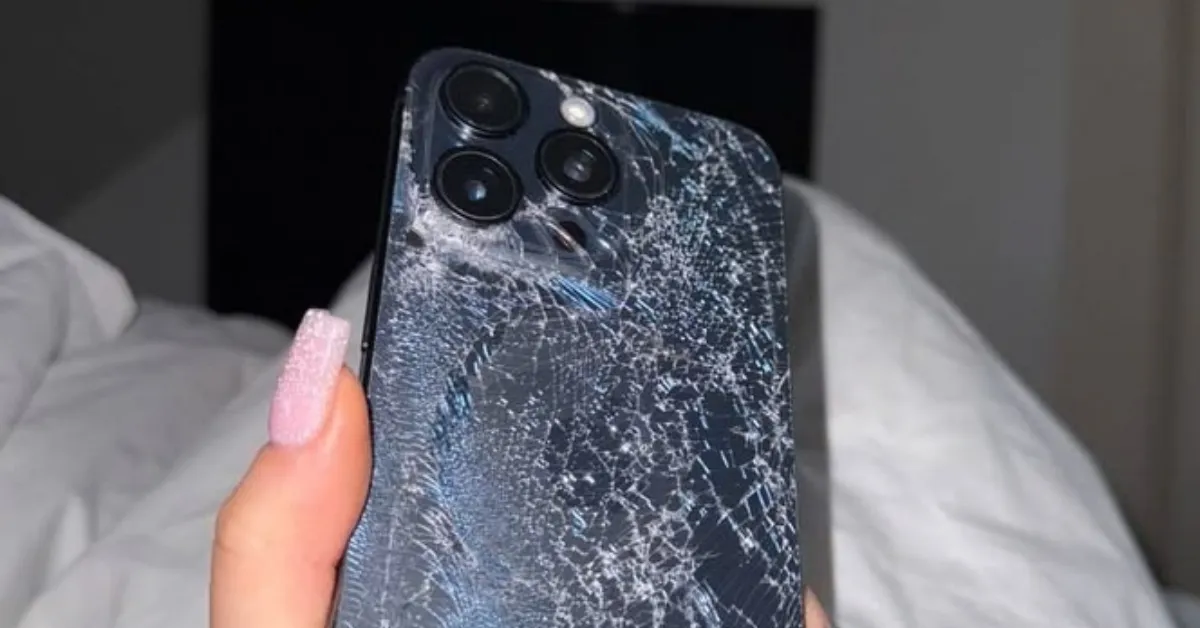
Front Screen Damage vs. Back Glass Damage
People often assume all cracked glass is the same, but front screen damage and back panel damage behave quite differently. A cracked front screen usually affects the display directly, since the glass sits right above the touch-sensitive layer and the pixels underneath. This can lead to visible lines, dead zones where touch doesn’t register, or complete display failure in severe cases. Back glass damage, on the other hand, is primarily cosmetic in many cases, but it can also expose the internal components to dust, moisture, and further impact if left unaddressed. A compromised back panel may also interfere with wireless charging coils positioned just beneath the glass, leading to slower or inconsistent charging performance even though the front of the phone looks completely fine.
What Causes a Cracked Back Panel
Back glass cracks tend to happen in situations people don’t expect. Sitting a phone face-up on a hard surface protects the screen but leaves the back glass directly exposed to impact. Phones kept in bags alongside keys, coins, or other hard objects can develop scratches and small cracks that spread over time with repeated pressure. Cases without raised edges or proper back coverage offer little protection against a drop onto the rear panel. For anyone dealing with iPhone back cracked repair in Chilliwack, understanding how the damage likely occurred can also help prevent it from happening again once the device is fixed, since many of these causes are easy to avoid with small changes in daily habits.
Signs That Back Glass Damage Needs Attention
Not every crack is an emergency, but there are warning signs worth taking seriously. If the crack is spreading over time, that indicates ongoing stress on the glass that could eventually compromise the seal protecting internal components. Sharp edges or glass fragments that could cause injury when handling the phone are another clear signal. If wireless charging has become unreliable or stopped working altogether since the damage occurred, that points to a deeper issue beneath the surface. Visible gaps where the back panel separates slightly from the frame can also let in dust and moisture, increasing the risk of corrosion on internal parts over time.
The Value of a Proper Diagnostic Check
Before any repair work begins, a thorough diagnostic check is essential to confirm the full scope of the damage. A phone that looks like it only has a cracked back panel might also have internal issues that aren’t immediately obvious, such as a loose battery connector or a camera module knocked slightly out of place from the same impact. Skipping this step and jumping straight to a repair can mean missing underlying problems that resurface later. A proper diagnostic process typically checks the display, touch response, cameras, speakers, buttons, and charging functionality in addition to the visible glass damage, giving a complete picture before any parts are replaced.
Why Professional Repair Matters
Repairing an iPhone, whether it’s the front screen or the back panel, involves working with tightly fitted components, delicate adhesive seals, and small connectors that are easy to damage without the right tools and experience. Back glass repair in particular can be more involved than people expect, since many models require removing internal components to access and replace the rear panel safely. Attempting this without proper training risks damaging the battery, antenna connections, or other parts housed close to the back glass. A professional approach ensures the replacement glass is properly sealed, the internal components remain untouched, and the phone’s structural integrity is restored rather than just patched over cosmetically.
Caring for Your iPhone After a Repair
Once a repair is complete, a few simple habits can help protect the investment. A sturdy case with raised edges on all sides offers meaningful protection for both the front screen and the back glass. Avoid setting the phone down on rough or uneven surfaces where pressure points can cause stress fractures over time. Keeping the phone separate from keys, coins, and other hard items inside bags or pockets reduces the chance of scratches turning into cracks. Being mindful of where and how the phone is placed, especially in situations like sitting in a car, resting on furniture arms, or being handed off during busy moments, goes a long way toward avoiding a repeat repair.
Final Thoughts
Cracked screens and damaged back panels are among the most common issues iPhone owners face, but neither has to mean starting over with a new device. Understanding the difference between front and back damage, recognizing warning signs early, and relying on a proper diagnostic process before repair all contribute to a better outcome. With the right care afterward, a repaired iPhone can continue to perform reliably for a long time to come.